

The differences between integrated recessed spotlights and GU10 recessed spotlights
Differences between integrated recessed spotlights and GU10 recessed spotlights.
If you are looking for recessed spotlights for your home, it is important to consider the various options beforehand.
In this blog, we will present the differences between integrated and GU10 recessed spotlights. If you still have questions, you can always call, WhatsApp, or email us.
We also have a showroom where all our recessed spotlight models can be viewed.
What is an integrated recessed spotlight?
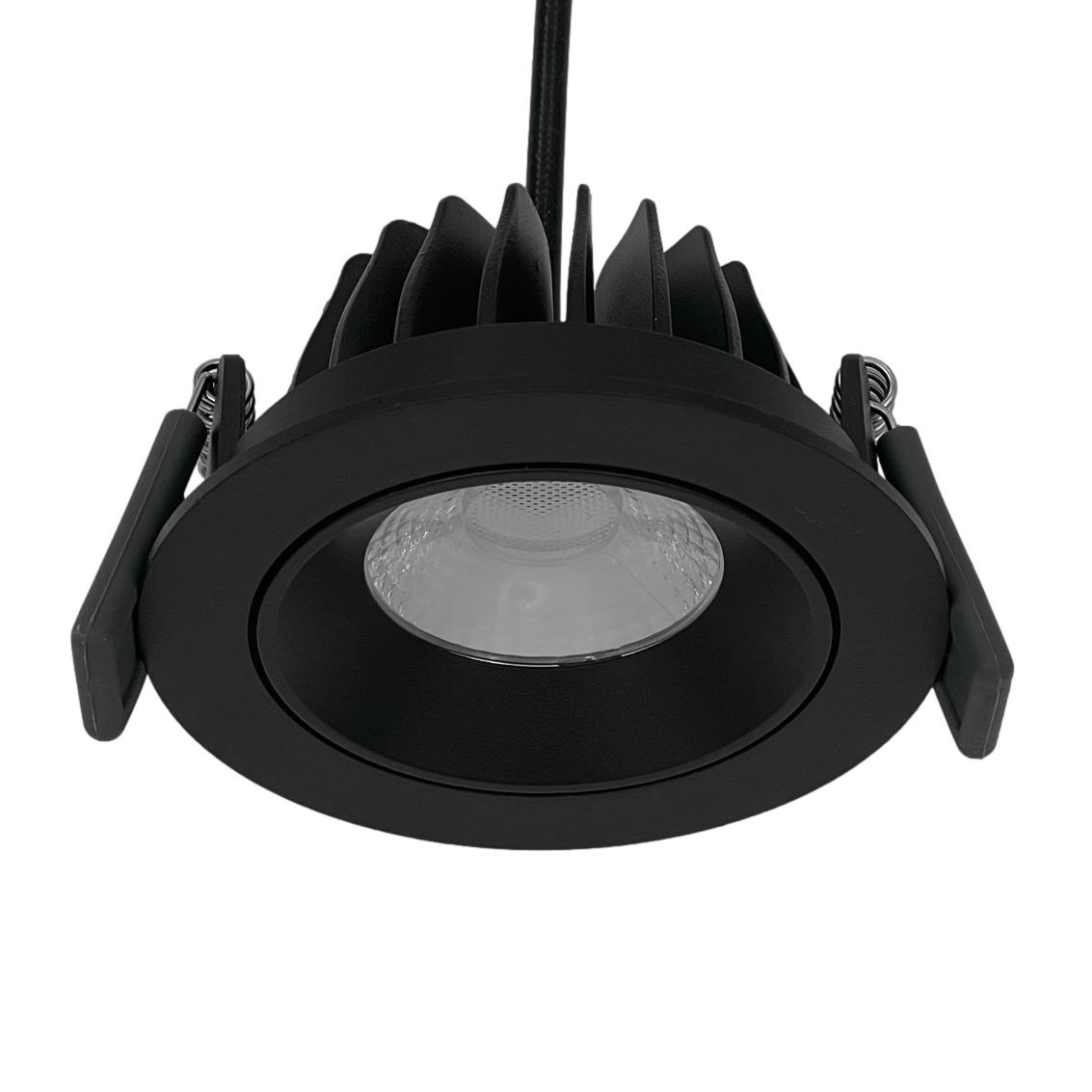
Integrated recessed spotlights are light fixtures that are built directly into the ceiling, wall, or other surfaces. Unlike traditional recessed spotlights, where the lamps can be replaced, in integrated recessed spotlights, the light source and the fixture are a single unit. This means that if the light source of the recessed spotlight breaks, the entire unit must be replaced. This integrated recessed spotlight often offers a longer lifespan and better energy efficiency, thanks to the use of LED technology. LED recessed spotlights are particularly popular due to their durability and energy efficiency.
What is a GU10 recessed spotlight?
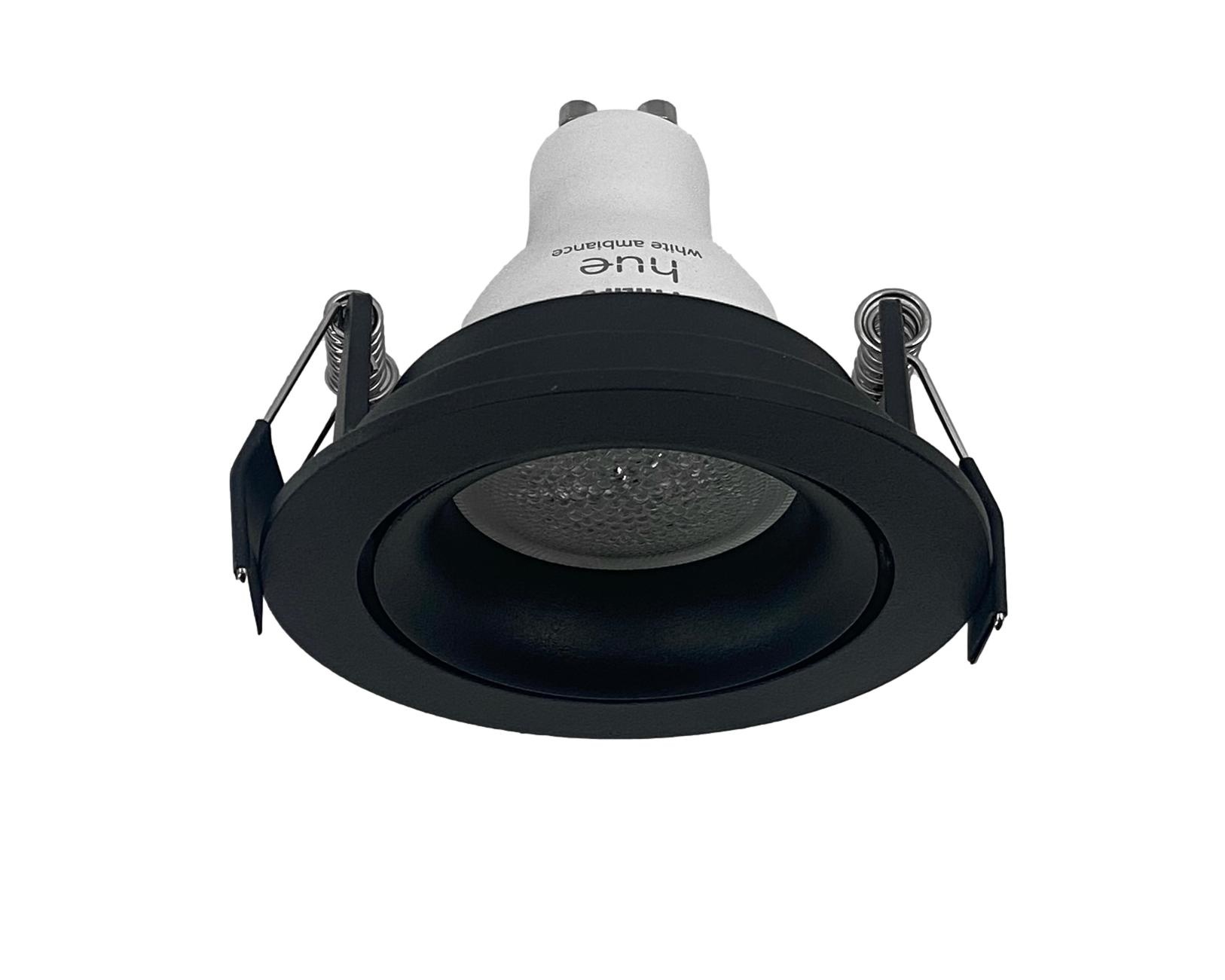
A GU10 recessed spotlight is a light fixture that is built directly into the ceiling, wall, or other surfaces. The term 'GU10' refers to the type of fitting used. This fitting has two pins that are 10 millimeters apart, which makes it easy to click the lamp into the fitting and twist it to secure it. This type of fitting is very common and is often used in spot lighting.
The main differences between integrated and GU10 recessed spotlights.
| Feature | GU10 Recessed Spotlights | Integrated Recessed Spotlights |
| Light Source | Replaceable | Integrated |
| Compatibility | Halogen, LED | Mostly LED |
| Installation | Easy to replace lamps | Requires replacement of the entire unit if defective |
| Energy Efficiency | Depends on the lamp used | Very high due to LED |
| Lifespan | Depends on the lamp used | Long, due to integrated LED |
| Maintenance | Regular lamp replacement | Seldom requires replacement |
What are the advantages and disadvantages of a GU10 recessed spotlight?
GU10 recessed spotlights are a popular choice for both residential and commercial spaces due to their versatility and practical advantages. Below are the main advantages and disadvantages of GU10 recessed spotlights.
Advantages:
- Easy to Replace: If the lamp in a GU10 recessed spotlight breaks, you can simply replace it with a new GU10 lamp without having to replace the entire fixture.
- Flexibility: GU10 recessed spotlights are compatible with various types of lamps, including halogen, LED, and smart lamps (Philips Hue).
- Standard Fitting: The GU10 fitting, with two pins 10 millimeters apart, is a standard type that is easy to use.
- Adjustable Lighting: Many GU10 lamps are dimmable, meaning you can adjust the brightness of the lighting to your preferences. This is ideal for creating different atmospheres and adapting the lighting to various activities.
- Price: GU10 recessed spotlights are relatively inexpensive to replace compared to spotlights with a fixed light source. These usually need to be completely replaced after wear and tear.
Disadvantages:
- Beam Angle: GU10 LED lamps often have a limited beam angle, meaning they emit light in a concentrated direction. This can result in uneven lighting if not enough lamps are used.
- Rapid Developments: LED technology is developing rapidly, which means recently purchased lamps may quickly become outdated, and more efficient models become available.
- Weather Resistance: Not all GU10 LED lamps are suitable for outdoor use or damp environments, which limits their application possibilities.
- Varying Color Temperatures: Not all GU10 LED lamps offer the same color temperature, which can lead to inconsistencies in lighting.
What are the advantages and disadvantages of an integrated recessed spotlight?
Integrated recessed spotlights are a popular choice for dusty or damp spaces such as bathrooms. Additionally, this variant of recessed spotlights is often chosen commercially due to its high light output.
Advantages:
- Seamless Appearance: Integrated recessed spotlights are designed to disappear completely into the ceiling or wall, creating a minimalist and modern look without protruding parts.
- LED Technology: Most integrated recessed spotlights use LED light sources, which are much more energy-efficient than traditional halogen or incandescent lamps. This leads to lower energy costs and a smaller ecological footprint.
- Less Frequent Replacement: Because the light source is integrated, you don't have to worry about regularly replacing lamps. This makes them ideal for hard-to-reach places.
- Even Illumination: Integrated recessed spotlights often provide even light distribution without dark spots, ensuring consistent and pleasant lighting in the room.
Disadvantages:
- More Expensive Investment: Integrated recessed spotlights can be more expensive to purchase than traditional recessed spotlights with replaceable lamps. The higher initial cost can be a hindrance for some users.
- Non-Replaceable Light Source: If the light source in an integrated recessed spotlight breaks, the entire fixture must be replaced. This can be less convenient and more costly than simply replacing a single lamp in a GU10 recessed spotlight.
- No Changing Light Sources: With integrated recessed spotlights, you cannot easily change the light source to achieve a different color temperature or light intensity, for example. This limits flexibility compared to systems where you can replace the lamps.
- More Difficult to Repair: In the event of defects, repairing integrated recessed spotlights can be more complicated than traditional spotlights, which can lead to higher maintenance and replacement costs.